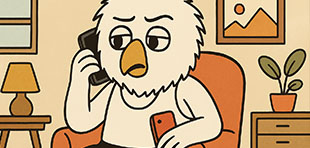
Your child may begin their first romantic relationship while they are still at school. Developing feelings for someone, going on a first date, sharing a first kiss, maintaining a relationship mostly through WhatsApp, or experiencing the pain of a first breakup — all these can be new and meaningful experiences for them.
Adults may see these experiences as “puppy love.” However, for a young person, those feelings are real. Through these early relationships, they learn a great deal about love, respect, trust, communication, consent, and personal boundaries.
As a parent, you cannot make every decision for your child. However, you can be the trusted person they turn to first when they feel confused, frightened, or hurt, or when they simply want to share their happiness about someone they like.
Your First Reaction Matters
Many young people in Sri Lanka hide their romantic relationships from adults because they fear being met with anger, punishment, or humiliation.
They may worry that you will take away their phone, stop them from attending tuition classes, restrict their friendships, or tell their teachers or relatives.
If your child tells you about a relationship, try not to begin the conversation with statements such as:
- “You’re too young for this.”
- “What will people say?”
- “I told you that person was no good.”
- “Give me your phone right now.”
- “You’ve brought shame on our family.”
Even if you are genuinely frightened or worried, reacting with anger will often make your child more likely to hide things from you in the future.
Instead, you could begin by saying:
- “I’m glad you trusted me enough to tell me about this.”
- “How do you feel about this relationship?”
- “Are you happy?”
- “Does this person treat you with respect?”
- “Is there anything that makes you feel frightened or uncertain?”
- “You can talk to me about this without being afraid.”
Listening to your child does not mean agreeing with every decision they make. It means keeping the lines of communication open so they can come to you when they need help.
Don’t Wait Until There Is a Problem
Do not wait until your child starts a relationship to talk about love, sexuality, consent, and personal boundaries.
You can start these conversations through everyday situations. Talk about relationships portrayed in television dramas, films, TikTok videos, or news stories.
You could ask:
- “Do you think these two people respect each other?”
- “Is this love, or is it control?”
- “Why is that person afraid to say no?”
- “What could a good friend have done in this situation?”
- “Are girls and boys judged differently for doing the same thing?”
You do not need to give a long lecture. Several short, everyday conversations can be more helpful than one long and uncomfortable discussion.
What Does a Healthy Relationship Look Like?
In a healthy relationship, both people should have the freedom to be themselves.
Help Your Child Think About These Questions:
- Can both people talk honestly about their feelings?
- Can they disagree without insults, threats, or intimidation?
- Do they listen to each other?
- If one person says “no,” is that respected without punishment or anger?
- Do they trust each other without demanding passwords or constantly asking for proof?
- Are they free to spend time with their friends and family?
- Do both people respect each other’s education, interests, and future aspirations?
- Can they apologise to each other?
- Do they feel safe when they are together?
- Are they free to leave the relationship if they need to?
No relationship is perfect all the time. Misunderstandings and disagreements happen between people. What matters is whether both people can communicate, take responsibility for their actions, respect each other’s boundaries, and change harmful behaviour.
This applies regardless of whether your child is a girl, a boy, transgender, or non-binary. It also does not matter whom they are attracted to. Every relationship deserves respect, equality, and safety.
Caring and Controlling Are Not the Same Thing
Some controlling behaviours may be presented as expressions of “love”:
- “Send me your live location so I can make sure you’re safe.”
- “If you love me, give me your password.”
- “You were online. Why didn’t you reply to me?”
- “Stop talking to that friend.”
- “Send me a photo showing where you are.”
- “If you leave me, I’ll hurt myself.”
- “If you really love me, have sex with me.”
These are not signs of love. They are attempts to monitor, pressure, or control another person.
A caring partner may genuinely worry about the other person’s safety. However, they do not use that concern as an excuse to take away the other person’s privacy, friendships, or freedom.
Help Them Understand Consent
Consent means freely agreeing to something without fear, pressure, or force.
Consent is necessary for kissing, touching, sexual activity, exchanging photographs, and all other intimate activities.
Consent is not simply the absence of a “no.” Both people must be able to say “yes” clearly and freely.
Your Child Should Know That:
- Agreement obtained through intimidation, pressure, threats, or deception is not consent.
- They can change their mind at any time.
- Agreeing to one activity does not mean agreeing to everything.
- Being in a relationship does not automatically give anyone the right to have sex with their partner.
- Saying “yes” in the past does not mean they have to say “yes” today.
- Silence, fear, or freezing and being unable to respond are not consent.
- A person who is asleep, unconscious, severely intoxicated, or unable to understand what is happening cannot give consent.
- Sending a private photograph to one person does not mean giving them permission to show it to others or forward it.
Talk about consent with every child. Do not place the entire responsibility for preventing sexual violence on girls alone.
Boys must also learn how to ask for consent, listen to the other person, recognise uncertainty or reluctance, and accept a “no” without responding with anger or humiliation.
A Simple Message You Can Share With Your Child
“Do not pressure someone else. And do not let someone pressure you.”
Relationships Often Continue Online, Too
For many young people in Sri Lanka, relationships may develop through WhatsApp, Instagram, TikTok, Snapchat, gaming platforms, school groups, or tuition class groups.
Help Them Think About Digital Boundaries:
- They do not need to share their passwords to prove their love.
- They can stop sharing their location whenever they wish.
- They are not obligated to reply to messages immediately.
- They can refuse a video call or photograph that makes them uncomfortable.
- It is not appropriate to share another person’s private messages or photographs.
- They can block someone who repeatedly ignores their boundaries.
- If someone threatens them, frightens them into giving money or something else, or impersonates them, they can tell a trusted adult.
Do not simply tell young people never to communicate online with anyone they do not already know. Online spaces can help them make friends, access information, and find communities where they feel accepted.
Instead of making their world smaller, teach them how to build trust and recognise warning signs.
Private and Sexual Images
A young person may send a private photograph to someone they trust. If that photograph is later shared without their consent, the young person who trusted that person is not responsible for the abuse.
The person who betrayed that trust is responsible.
If this happens:
- Stay calm. Do not blame the young person.
- Do not pressure them to show or forward the photograph repeatedly.
- Preserve identifying information such as links, usernames, dates, and threats.
- Report the relevant account or content to the platform.
- If the image includes anyone under 18, do not download, forward, or send it to anyone else.
- Contact the National Child Protection Authority’s Childline on 1929.
- If there is an immediate threat of danger, call the police emergency number 119.
Peer Pressure and Decision-Making
Young people may face pressure to start a relationship, kiss someone, engage in sexual activity, drink alcohol, send private photographs, or do something to appear more “grown-up.”
Pressure does not always sound like a threat. It may sound like:
- “Everyone has done this.”
- “Stop acting like a child.”
- “If you love me, do this.”
- “You’re the only one in our group who hasn’t done it.”
- “I’ll definitely delete the photo.”
- “Don’t you trust me?”
Help Them Practise Responses They Can Use in These Situations:
- “I’m not ready yet.”
- “I don’t want to do this.”
- “I need time to think.”
- “Don’t ask me about this again.”
- “I’m leaving now.”
- “I need to talk to someone.”
When young people know they will not be immediately punished for asking for help, they are better able to make safe decisions.
It is a parent’s responsibility to know where their child is and whether they are safe. However, secretly checking every message and constantly monitoring them can damage trust and encourage them to hide things.
Instead:
- Discuss and agree on reasonable expectations together.
- Ask them to let you know if their plans change.
- Agree on a reasonable time to return home.
- Keep emergency contact numbers available.
- Make it clear that they can call you if they feel unsafe.
- Tell them that you will help them first and discuss what happened calmly afterwards.
- Get to know their friends and partners in a normal and respectful way, rather than interrogating or humiliating them.
- Ask questions out of concern, not suspicion.
Good communication begins at home. Children learn how to communicate by observing how adults speak to them and to one another.
Show them that it is possible to disagree without shouting, insulting, or threatening each other.
You can use statements such as:
- “I feel worried when I don’t know whether you’re safe.”
- “Help me understand what happened.”
- “What do you need from me right now?”
- “I was wrong. I’m sorry.”
- “Let’s both calm down a little and talk about this again.”
Encourage Your Child to Communicate in the Same Way
- Clearly express what they want and do not want.
- Ask questions instead of making assumptions.
- Discuss problems early rather than waiting until resentment builds.
- Avoid insults and threats.
- Take a break if a conversation becomes too heated.
- Apologise if they have hurt someone.
- Remember that apologising must be followed by a change in behaviour.
If a Relationship Ends
A first breakup can cause intense emotional pain for a young person. Do not minimise their feelings by saying, “It wasn’t a real relationship” or “You’ll forget about it in a few days.”
Give them space to grieve. Listen without forcing them to explain everything. Help them maintain healthy routines, including sleeping, eating, staying physically active, spending time with friends, and gradually returning to their everyday activities.
Remind them that they still have valuable qualities, dreams, and loving relationships outside that relationship.
Explain that feeling hurt does not justify revenge.
The following behaviours are never acceptable:
- Spreading rumours.
- Humiliating a former partner.
- Making private conversations public.
- Sharing nude or sexual photographs.
- Revealing someone’s sexual orientation or gender identity without their consent.
- Creating fake accounts.
- Encouraging others to harass that person.
- Threatening self-harm to pressure someone into returning to the relationship.
Warning Signs of an Unhealthy or Abusive Relationship
Is Your Child:
- Constantly afraid that their partner will become angry?
- Required to report their whereabouts all the time?
- Receiving repeated calls or messages demanding immediate replies?
- Stopping activities they enjoy or spending less time with friends, at school, or with family?
- More frightened, withdrawn, or sad than usual?
- Showing unexplained injuries?
- Being pressured into sexual activity?
- Being threatened with the public release of private messages or photographs?
- Having their passwords, accounts, or location controlled by someone else?
- Repeatedly being insulted, humiliated, or blamed?
- Afraid to end the relationship?
A single sign does not necessarily prove that a relationship is abusive. Look for repeated patterns of intimidation, control, isolation, pressure, and harm.
If Your Child Is in an Abusive Relationship
Tell them clearly:
“I love you. I will not punish you. I want to keep you safe.”
Do not blame them for starting the relationship or for still being in it. Leaving an abusive relationship is not easy. A young person may leave and return to the relationship, then try to leave again later.
Pressuring them to end the relationship immediately without a safety plan may cause them to hide more from you or put themselves at greater risk.
Work together with your child and an appropriate support professional to decide what steps can be taken safely.
Do not withdraw your support even if your child makes a decision you disagree with. Knowing they will not be shamed makes it easier for them to ask for help again.
If Your Child Tells You They Have Experienced Sexual Violence
Your response can influence whether your child feels supported or blames themselves.
Begin by saying:
- “I believe you.”
- “This is not your fault.”
- “I will not punish you.”
- “Thank you for telling me about this.”
- “What do you need right now?”
Listen instead of questioning them as though conducting an investigation.
Do not ask why they went to that place, why they trusted that person, why they wore those clothes, why they drank alcohol, or why they did not resist.
The responsibility lies with the person who committed the sexual violence.
Help them obtain medical care as soon as possible from a government hospital or an appropriate healthcare service. Medical support may be important even if there are no visible injuries.
Do not force your child to describe what happened repeatedly. Explain the steps that need to be taken to protect them. Involve them in decisions wherever possible. Do not take away even more of their control after the abuse they have experienced.
To seek support concerning a child, contact the National Child Protection Authority’s Childline on 1929. If the child is in immediate danger, call the police emergency number 119.
You Do Not Have to Be a Perfect Parent
Perhaps relationships or sexuality have never been discussed in your family. You may have made mistakes in your own relationships. You may also feel that you have not always set a good example of healthy communication.
But you can start today.
Talk honestly about the values you want your child to learn: respect, consent, equality, kindness, responsibility, and the freedom to leave a relationship that harms them.
Your child does not need you to be someone who knows the answers to every question.
What matters is that they know they can come to you when something goes wrong, and that your first response will be care and support rather than punishment.