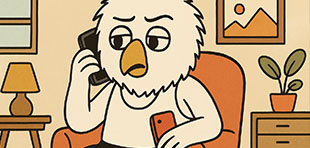
Harassment is when someone humiliates, intimidates or asserts dominance over another person, or threatens to do so. This can take three forms.
- Physical harassment and bullying
- Verbal harassment and bullying
- Psychological harassment and bullying
Harassment and bullying can happen face-to-face or in cyberspace.
Bullying is not just an act of anger or frustration.
It is something that is done or said intentionally with the intention of hurting another person. Sometimes bullying can be premeditated. Therefore, bullying can be distinguished from a fight or a fight.
Bullying and harassment can happen anywhere.
Home, school, workplace, hospital, and even the streets – no place is immune to bullying and harassment.
Can you think of a time when someone you know was bullied in these places?
How to recognize bullying and harassment?
- Unequal power
A characteristic of bullying is an unbalanced power relationship between the bully and the bullied.
That is, the bully is older, physically stronger, or socially superior to the other. This is known as an unequal power relationship.
- Repeated occurrence
Harassment is often committed by a person with more power, so it is likely to happen more than once.
For example, today a child’s lunch can be taken away, tomorrow a child’s school bag can be filled with rocks to make it heavier. In this way, bullying and harassment are repeated, targeting one person or group.
What are some examples of bullying and harassment?
The list of bullying and harassment is endless.
They range from subtle forms of bullying, such as spreading rumors about someone, to physical violence.
Examples –
- Say negative things about someone’s body
- Shame on someone based on their private parts like breasts
- Call them names based on their body size, skin color, etc.
- Visually hit them
- Snatch food
- Hit them
- Silence them
- Shame on their parents based on their gender
- Make fun of them based on their disability
- Snatch them away from things like their water bottle or pencil case
- Taunt them via social media
Can you think of any other examples?
Why should bullying and harassment be stopped at the earliest stage?
We all have the right to live free from bullying and harassment.
Sometimes, bullying and harassment can become an accepted norm. One example is bullying and teasing of new members.
Bullying should never become an accepted practice. Therefore, bullying and harassment should be stopped at the earliest stage.
Who commits bullying and harassment?
Any act of violence, including bullying and harassment, is based on power, so bullying and harassment can be committed by anyone with power.
Jealousy, Resentment, Loyalty, The desire to gain the approval of friends, Low self-esteem, Lack of self-confidence, etc. can lead a person to bully others.
‘Bullying’ is a form of violence. It cannot be justified under any circumstances.
If you are experiencing bullying or harassment, talk to a trusted adult and get support. Reporting bullying or harassment is essential to stopping it.
What can I do to stop bullying or harassment?
Stand up against bullying or harassment.
Help friends who are being bullied or harassed to get help.
Create a poster about bullying and harassment prevention and display it in the classroom.
Organize a school drama competition about bullying and harassment prevention.
Share this video with your friends.