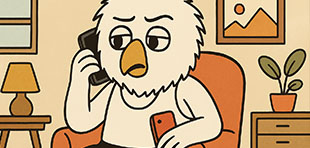
A guide for parents and caregivers
Mental health is about how we think, feel and cope with everyday experiences. Just like physical health, everyone has mental health.
Parents can help by listening, creating a safe home and making it easier for young people to seek support. You do not need to have every answer. You need to show your teen that their feelings matter and that they do not have to manage difficulties alone.
- Why this topic matters
Schoolwork, extra classes, examinations, family expectations, financial difficulties, friendships and romantic relationships can affect a teen’s wellbeing. So can puberty, bullying, violence, discrimination and experiences online.
Difficult emotions do not automatically mean something is wrong. But feelings that persist, become overwhelming or interfere with everyday life deserve attention.
The Bakteens article reminds young people that mental health is connected to their physical health, relationships, sexual and reproductive health, and access to support. Parents can help make these topics easier to discuss at home.
- How to start the conversation
Find a quiet moment without distractions. Begin with curiosity rather than an accusation.
Try:
- How have you been feeling lately?
- Is anything making school or home difficult?
- Are you getting enough time to rest?
- Would you like me to listen, or help you think about what to do?
Your teen might begin by saying, I’m not sleeping properly, or I haven’t been feeling like myself. Treat these as opportunities to listen.
If speaking feels difficult, offer another way:
You can write it down or send me a message if that feels easier.
Do not force them to explain everything immediately. Let them know they can also speak to another trusted adult.
- Key points to explain
Difficult feelings deserve care
Fear, sadness, loneliness, anger and confusion can happen to anyone. Asking for help is not a sign of weakness.
Mind and body affect each other
Emotional distress can affect sleep, appetite, energy and concentration. Physical illness, pain or changes in the body can also affect emotional wellbeing.
Do not assume physical symptoms are caused by stress. Persistent or severe symptoms need medical attention.
Puberty questions should not become private worries
Menstruation, erections, wet dreams, acne and changes in body shape may cause uncertainty or embarrassment. Give accurate information without teasing or comparing your teen with others.
Relationships should feel safe and respectful
Controlling behaviour, humiliation, sexual pressure and threats can harm mental health. These behaviours are not signs of love.
If someone pressures your child into sexual activity or threatens to share private images, begin with protection and support—not blame.
Everyday habits help, but may not be enough
Regular meals, sleep, movement, creative activities and time with supportive people can help wellbeing. They cannot replace professional care when it is needed.
- Creating a home where support is available
Listen before trying to solve everything
Avoid interrupting with You should… or When I was your age…
Say:
That sounds difficult. What has it been like for you?
Reduce fear at home
Constant insults, humiliation, threats and violence can make home feel unsafe. Handle disagreements without intimidation and seek help if conflict is becoming harmful.
Do not make children take sides in adult arguments or responsible for keeping the family together.
Review the pressure your child is carrying
Look at tuition schedules, homework, household work and expectations about results. Protect time for rest, friendships and enjoyable activities.
Remind them:
Your worth is not decided by your marks.
Make health questions welcome
A teen asking about menstruation, contraception, pregnancy or an STI needs accurate information. Fear of punishment or shame may stop them from seeking help.
Respond calmly and help them access appropriate healthcare.
Respect privacy and explain its limits
Ask before sharing personal information with relatives or school staff. If there is a serious safety concern, explain why you need to involve someone who can help.
Look after your own wellbeing
Model asking for support and taking a pause when overwhelmed. Seek help from other adults rather than relying on your child to manage your distress.
A small section: talking about AI chatbots
The Bakteens article explains that AI may help someone organise thoughts or prepare words for a conversation. It can also give incorrect or unsafe advice and miss serious risks.
Ask without judgement:
Have you ever used a chatbot when you felt worried or lonely? What was helpful, and what wasn’t?
Explain that:
- A chatbot cannot replace a qualified mental health professional.
- It should not be used to diagnose a condition or decide about medication.
- Personal information may be stored or used, depending on the service.
- Advice to harm someone, hide danger or withdraw from supportive people should not be followed.
Help your teen maintain real human connections. In a crisis, they need someone who can help them reach safety and care.
- A small activity to do together
Create a My support circle on paper.
Invite your teen to identify:
- Two people they can talk to.
- Two activities that sometimes help them feel calmer.
- One place they can seek professional support.
- What they would like you to do when they are overwhelmed.
They can write, draw or keep some answers private.
Share your own examples too. Finish with:
If one person doesn’t listen, you can try someone else. We will keep looking for the right support.
- How to respond to difficult questions
- Why do I feel bad when I have so much to be grateful for?
Being grateful does not stop someone from struggling. Your feelings still deserve attention.
- What if my worries are about my body or sexuality?
You can ask questions without being teased or punished. We can find accurate information and respectful support.
- What if my partner threatens to hurt themselves if I leave?
Take the threat seriously and tell a trusted adult. You are not responsible for managing their safety alone, and you do not have to stay in a relationship because of a threat.
- What if I need counselling?
We can find someone qualified. Getting support is a way of caring for your health.
- What if I have hurt myself or don’t want to live?
Thank you for telling me. I’m taking this seriously. I will help you get support.
If you are concerned that there is an immediate threat, take your child you the nearest OPD.
- What to avoid saying
Avoid saying : Don’t think about it.
Try saying : Tell me what has been on your mind.
Avoid saying : You should be grateful.
Try saying : You can appreciate things and still need help.
Avoid saying : You’re just lazy.
Try saying : I’ve noticed things are harder lately. What’s happening?
Avoid saying : This is embarrassing.
Try saying : Your health matters. Let’s find support.
Avoid saying : Stop making a fuss.
Try saying : I can see this is affecting you.
Avoid saying : You should have told me earlier.
Try saying : I’m glad you told me now.
- When and where to seek support
Seek professional advice when thoughts or feelings persist, keep returning, or affect sleep, eating, schoolwork, relationships or everyday activities. Withdrawal and loss of interest also deserve attention.
You do not have to wait until things become unbearable.
In Sri Lanka:
1926 — National Mental Health Helpline: mental health support and guidance.
1929 — Child Helpline: support for child protection concerns, including abuse, neglect and violence.
A doctor or government hospital can help your teen access assessment and appropriate care.
If your child may act on suicidal thoughts, has seriously harmed themselves or has taken an overdose, stay with them and seek emergency medical help immediately. Reduce access to dangerous items if you can do so safely. Go to the nearest emergency department or call 1990 Suwa Seriya for emergency ambulance assistance.
If a helpline does not connect, try another service or go to the nearest hospital. Do not leave your teen alone when there is immediate risk.
The message your teen should hear is:
You can tell us when things are difficult. We will listen without blame, take your feelings seriously and help you find the support you need.