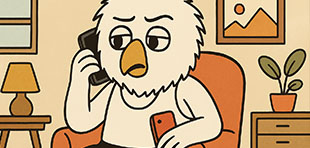
A guide for parents of girls and boys
Learning about periods helps young people understand their bodies and treat others with care. Whether your child menstruates or not, you can help them grow up without shame, fear or harmful ideas about periods.
- Why this topic matters
Periods are a normal body process. Yet young people may hear that menstruation makes someone dirty, weak or unable to take part in everyday life. Teasing, secrecy and embarrassment can make it harder to ask questions or get help.
Children learn from how adults behave. When fathers, mothers and other caregivers speak comfortably about periods, children learn that menstrual health deserves the same care and respect as any other health topic.
Boys also need accurate information about periods. Understanding what someone may experience helps them become considerate siblings, friends and partners.
- How to start the conversation
Make this an ongoing conversation. You do not need to explain everything at once.
You could start while reading the Bakteens article together or buying menstrual products:
- What have you learned about periods at school?
- Have you heard anything about periods that confused you?
- How do people at school react when someone needs a pad?
- What could you do if a friend had a period stain on their clothes?
Listen before correcting. If your child laughs or looks uncomfortable, stay calm.
You could say:
“It can feel awkward to talk about something unfamiliar. But periods are a normal part of life, and you can ask me questions.”
If you do not know an answer, say:
I’m not sure. Let’s find accurate information together.
- Key points to explain
What is a period?
A period, or menstruation, happens when the lining of the uterus leaves the body through the vagina as blood and tissue. Hormones control this process. Menstrual blood does not make someone dirty or impure.
Bodies develop at different times.
The first period often starts around age 12, but the timing varies. Avoid comparing children or making comments about who is developing “early” or “late.”
Periods do not always follow an exact timetable.
They may be irregular during the early years. Bleeding usually lasts between two and seven days.
People can usually continue their everyday activities.
Having a period does not medically require someone to stay indoors, miss school, avoid bathing or stop playing sports. They can eat their usual balanced meals, including meat and fish. Let comfort and symptoms guide activity.
Experiences differ.
Some people have cramps, tiredness or mood changes; others have few symptoms. Listen to what someone says they need. Do not assume every feeling or disagreement is caused by a period.
A first period does not make a child an adult.
They still need protection, support and time to grow. Menstruation does not mean someone is emotionally ready for sex, marriage or parenthood.
- Creating a supportive home
Make periods an ordinary topic
Use clear words such as “period,” “uterus” and “vagina.” Avoid describing menstruation as something dirty or shameful.
Buying pads should be a normal household task. Fathers and boys can help buy supplies just as they would buy soap or toothpaste.
Stop teasing and dismissive comments
Do not allow jokes about stains, smells or menstrual products. Avoid saying, “You must be on your period,” when someone is upset.
If this happens, respond calmly:
“We don’t use periods to embarrass someone or dismiss their feelings.”
Respect privacy
Being open about periods does not mean sharing someone’s personal information. Ask before telling relatives about a first period or arranging a celebration. Do not photograph or post about it without the young person’s agreement.
Explain that periods do not make a person unclean. Avoid practices that restrict access to food, bathing, school or supportive company.
Share care and household work
If someone feels unwell, help with chores and offer rest. Encourage all children to help one another. Care should not depend on whether someone has personally experienced a period.
A small practical section: supporting a teen who menstruates
- Prepare a simple period kit: include an extra pad, spare underwear and a small bag for stained clothes.
- Plan for the next period: offer help recording the first day of each period on a calendar. Explain that dates may vary, and keep supplies available rather than relying on an exact prediction.
- Offer a choice of products: pads, reusable pads, period underwear, tampons and cups are options. Help them follow the product instructions and choose what feels comfortable.
- Make home facilities useful: provide water, soap, privacy and a suitable waste bin. Do not flush pads or tampons.
- Plan for school: identify a trusted adult they can ask for help. If they have a leak, respond with reassurance and practical help.
- A small activity to do together
Ask:
“A student notices a period stain on a classmate’s clothes. What would a helpful response look like?
Discuss a few possibilities:
- Tell the person quietly.
- Ask whether they want help.
- Offer to find a pad or a trusted teacher.
- Respect their privacy.
- Refuse to join in teasing or share photographs.
Finish with:
You don’t need to have periods yourself to respond kindly.
- How to respond to difficult questions
- Is menstrual blood dirty?
No. Menstruation is a normal body process. We wash and use menstrual products for comfort and hygiene. Having a period does not make anyone unclean.
- Why should boys learn about periods?
Because understanding bodies is useful for everyone. Someone you care about may have periods, and you should know how to treat them respectfully.
- Why is my sibling upset? Is it because of their period?
Some people experience mood changes around their periods, but we shouldn’t guess. Ask what is bothering them and listen.
- Do I have to tell everyone when my period starts?
No. You can choose whom to tell. You can always come to me or another trusted adult for help.
- What if a period is very painful?
Tell me. You don’t have to struggle through it alone. We can get medical advice, especially if pain affects school, sleep or everyday activities.
- What to avoid saying
Avoid saying: This is girls’ business
Try saying: Everyone should understand what menstruation is.
Avoid saying: Don’t let anyone see the pads.
Try saying: These are ordinary health supplies. Your personal information is private.
Avoid saying: You’re a woman now.
Try saying: Your body is changing, and we’re here to support you.
Avoid saying: Everyone gets pain. Just tolerate it.
Try saying: Tell me how it feels. We can get help.
Avoid saying: You stained your clothes again!
Try saying: Let’s get you comfortable and find clean clothes.
Avoid saying: You’re only upset because of your period.
Try saying: What’s bothering you? I’m listening.”
- When and where to seek support
Speak to a healthcare professional if:
Period pain interferes with everyday activities.
Bleeding is very heavy, including needing to change a soaked pad or tampon every one to two hours.
The first period has not started by age 16.
A record of bleeding dates and symptoms can help the healthcare professional understand what is happening.
In Sri Lanka, a doctor, MOH clinic or Public Health Midwife can help you find appropriate care. Support your teen to ask questions and speak privately with the healthcare professional if they wish.
For questions about the Bakteens information, the website lists WhatsApp: 071 801 5702. This does not replace medical assessment.
The message every child should hear is:
Menstruation is a normal part of life. We treat people with respect, protect their privacy and help them get the care they need.